

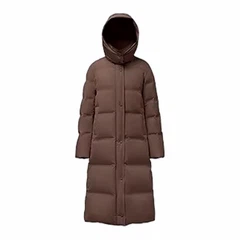


First, treat fresh oil stains immediately, as they are relatively easier to remove. Use a paper towel or clean cloth to gently absorb excess grease, preventing further penetration into the down jacket fabric. Next, try using dish soap or a specialized degreaser. Apply a small amount of dish soap or degreaser directly to the stain and gently rub with your fingers to allow the detergent to penetrate and break down the grease. After rubbing for a few minutes, rinse the area with water until the detergent is completely removed. If the stain is stubborn, consider using toothpaste. Choose white toothpaste (avoid toothpaste containing pigments), apply it to the stain, and gently rub with your fingers. The abrasives and cleaning agents in toothpaste help remove the stain. After rubbing, rinse thoroughly with water.
In addition to the above methods, a mixture of baking soda and vinegar can also be used to remove oil stains. Mix baking soda and vinegar in a certain ratio to form a paste, then apply it to the oil stain. Baking soda has absorbent and stain-removing properties, while vinegar softens oil stains and removes odors. After applying, let it sit for a while to allow the mixture to work effectively, then rinse thoroughly with water. For particularly stubborn oil stains, a professional down jacket cleaner may be necessary. These cleaners are typically designed for the fabric and filling of down jackets, removing oil stains more effectively without damaging the garment. Carefully read the instructions before use and follow them correctly. When dealing with oil stains, keep the following in mind: First, avoid using excessively hot water, as high temperatures may make the stains more stubborn and could damage the fabric and filling of the down jacket. Second, do not rub the down jacket vigorously, as this can damage the fabric's fiber structure and affect its warmth. Finally, ensure the down jacket is completely dry after washing to prevent dampness from causing mold or odors.