

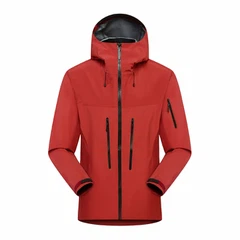

As a supplier of bonded outdoor jackets, I've witnessed firsthand the crucial role that zippers play in the functionality and durability of these garments. In the world of outdoor apparel, the right zipper can make all the difference, whether you're braving the elements on a mountaintop or simply going for a jog in the rain. In this blog post, I'll explore the different types of zippers used in bonded outdoor jackets, their features, and why they're essential for outdoor enthusiasts.
Understanding Bonded Outdoor Jackets
Before delving into the types of zippers, it's important to understand what bonded outdoor jackets are. Bonded jackets are designed to provide superior protection against the elements by combining multiple layers of fabric. The layers are bonded together using a special adhesive or lamination process, creating a single, cohesive unit that is both lightweight and durable. This construction method allows for better insulation, waterproofing, and wind resistance, making bonded jackets ideal for outdoor activities in harsh conditions.
Types of Zippers Used in Bonded Outdoor Jackets
There are several types of zippers commonly used in bonded outdoor jackets, each with its own unique features and benefits. Here are some of the most popular options:
Coil Zippers
Coil zippers are one of the most common types of zippers used in outdoor apparel. They are made of a continuous coil of plastic or nylon teeth that are sewn onto a fabric tape. Coil zippers are lightweight, flexible, and easy to operate, making them a popular choice for jackets that require a high degree of mobility. They are also relatively inexpensive, making them a cost-effective option for manufacturers.
One of the main advantages of coil zippers is their ability to bend and flex without breaking. This makes them ideal for use in areas of the jacket that are subject to a lot of movement, such as the sleeves and collar. Coil zippers are also resistant to corrosion and rust, which is important for outdoor jackets that are exposed to moisture and other elements.
However, coil zippers are not as strong as some other types of zippers, and they may not be suitable for jackets that require a high level of durability. They are also more prone to snagging and jamming, especially if the teeth are not properly aligned.
Metal Zippers
Metal zippers are another popular option for bonded outdoor jackets. They are made of metal teeth that are attached to a fabric tape using a special process. Metal zippers are strong, durable, and resistant to wear and tear, making them ideal for jackets that are used in harsh conditions. They are also less likely to snag or jam than coil zippers, which makes them easier to operate.
One of the main advantages of metal zippers is their ability to withstand high levels of stress and tension. This makes them suitable for use in areas of the jacket that are subject to a lot of pressure, such as the front closure and the pockets. Metal zippers are also resistant to corrosion and rust, which is important for outdoor jackets that are exposed to moisture and other elements.
However, metal zippers are heavier than coil zippers, which can make them less comfortable to wear. They are also more expensive, which can increase the cost of the jacket.
Water-Resistant Zippers
Water-resistant zippers are designed to prevent water from seeping into the jacket through the zipper. They are typically made of a special material that is coated with a waterproof or water-repellent finish. Water-resistant zippers are essential for outdoor jackets that are used in wet conditions, such as rain or snow.
One of the main advantages of water-resistant zippers is their ability to keep the wearer dry. They are also more durable than regular zippers, as they are less likely to corrode or rust. Water-resistant zippers are available in both coil and metal styles, and they can be used in a variety of applications, including the front closure, the pockets, and the sleeves.
However, water-resistant zippers are more expensive than regular zippers, which can increase the cost of the jacket. They are also more difficult to operate, especially when they are wet, which can make them less convenient to use.
Reverse Zippers
Reverse zippers are a type of zipper that is designed to open in the opposite direction of a regular zipper. They are typically used in jackets that are worn over other layers of clothing, such as a Bonded Windbreaker. Reverse zippers are more comfortable to wear, as they do not rub against the skin or the other layers of clothing.
One of the main advantages of reverse zippers is their ability to prevent the jacket from snagging on other layers of clothing. They are also more convenient to use, as they can be opened and closed from the inside of the jacket. Reverse zippers are available in both coil and metal styles, and they can be used in a variety of applications, including the front closure, the pockets, and the sleeves.


However, reverse zippers are more expensive than regular zippers, which can increase the cost of the jacket. They are also more difficult to operate, especially when they are wet, which can make them less convenient to use.
Choosing the Right Zipper for Your Bonded Outdoor Jacket
When choosing a zipper for your bonded outdoor jacket, there are several factors to consider. Here are some of the most important factors:
Functionality
The first factor to consider is the functionality of the zipper. You need to choose a zipper that is suitable for the intended use of the jacket. For example, if you're using the jacket for hiking or climbing, you'll need a zipper that is strong, durable, and resistant to wear and tear. If you're using the jacket for running or cycling, you'll need a zipper that is lightweight, flexible, and easy to operate.
Durability
The second factor to consider is the durability of the zipper. You need to choose a zipper that is made of high-quality materials and is designed to withstand the rigors of outdoor use. Look for zippers that are resistant to corrosion, rust, and abrasion. You should also consider the strength of the zipper teeth and the quality of the zipper pull.
Water Resistance
The third factor to consider is the water resistance of the zipper. If you're using the jacket in wet conditions, you'll need a zipper that is water-resistant or waterproof. Look for zippers that are coated with a waterproof or water-repellent finish. You should also consider the type of zipper, as some types of zippers are more water-resistant than others.
Comfort
The fourth factor to consider is the comfort of the zipper. You need to choose a zipper that is comfortable to wear and does not rub against the skin or the other layers of clothing. Look for zippers that have a smooth, easy-to-operate pull. You should also consider the type of zipper, as some types of zippers are more comfortable to wear than others.
Cost
The fifth factor to consider is the cost of the zipper. You need to choose a zipper that is within your budget. Look for zippers that are made of high-quality materials and are designed to last. You should also consider the type of zipper, as some types of zippers are more expensive than others.
Conclusion
In conclusion, the type of zipper you choose for your bonded outdoor jacket is an important decision that can have a significant impact on the functionality and durability of the jacket. By considering the factors outlined in this blog post, you can choose the right zipper for your needs and ensure that your jacket provides the protection and comfort you need for your outdoor activities.
If you're interested in purchasing bonded outdoor jackets or have any questions about the zippers used in our products, please don't hesitate to contact us. We'd be happy to discuss your needs and help you find the perfect jacket for your outdoor adventures.
References
- Outdoor Gear Lab. (n.d.). The Best Zippers for Outdoor Gear. Retrieved from https://www.outdoorgearlab.com/learn/gear-guides/best-zippers-for-outdoor-gear
- REI. (n.d.). Zippers: How to Choose and Care for Them. Retrieved from https://www.rei.com/learn/expert-advice/zippers.html
- Patagonia. (n.d.). Zipper Care and Repair. Retrieved from https://www.patagonia.com/repair-services/zipper-care-and-repair.html