

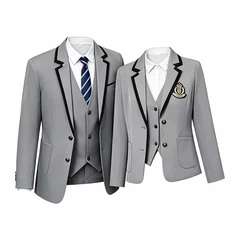
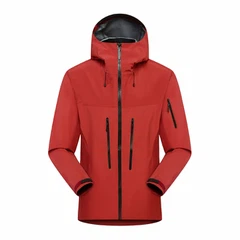
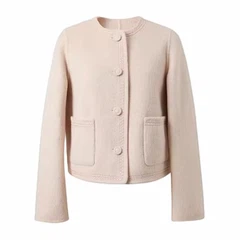
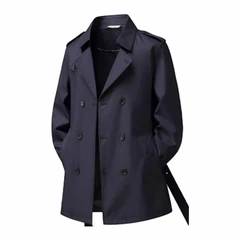

Determining the authenticity of a Notch Lapel Wool Coat is crucial, especially for those in the fashion industry and consumers who value quality and craftsmanship. As a supplier of Notch Lapel Wool Coats, I've encountered various challenges and learned effective methods to identify genuine products. In this blog, I'll share some insights and practical tips to help you distinguish between authentic and fake Notch Lapel Wool Coats.
Understanding the Basics of Notch Lapel Wool Coats
Before delving into the authenticity assessment, it's essential to understand what a Notch Lapel Wool Coat is. A Notch Lapel Wool Coat is a classic outerwear piece characterized by its notched lapels, which are a common feature in men's and women's formal and semi - formal coats. The coat is primarily made of wool, which offers warmth, durability, and a luxurious look.
Wool is a natural fiber with unique properties. It has excellent insulation, moisture - wicking capabilities, and a soft, breathable feel. Genuine wool coats are often more expensive due to the high - quality raw materials and the craftsmanship involved in their production.


Physical Examination
1. Fabric Quality
- Touch and Feel: Genuine wool has a soft, smooth, and slightly springy texture. When you touch the fabric, it should feel warm and not overly synthetic. Run your fingers along the surface; if it feels rough, scratchy, or has a plastic - like texture, it may not be real wool.
- Fiber Inspection: You can carefully pull out a few fibers from an inconspicuous area of the coat, such as the inside hem. Genuine wool fibers are curly and have a natural luster. Burn a small fiber; wool will burn slowly, curl away from the flame, and emit a smell similar to burning hair. In contrast, synthetic fibers will melt quickly and produce a plastic - like odor.
- Pilling: High - quality wool coats are less likely to pill. If the coat shows excessive pilling after a short period of use, it may indicate a lower - quality or synthetic blend.
2. Construction and Stitching
- Seams: Examine the seams of the coat. In an authentic Notch Lapel Wool Coat, the seams should be straight, even, and well - finished. The stitching should be tight and uniform, without loose threads or uneven stitches. Poorly constructed seams can be a sign of a counterfeit or low - quality product.
- Lining: The lining of a genuine wool coat is usually made of a high - quality fabric, such as silk or a silk blend. It should be smooth, well - attached to the coat, and free of wrinkles or loose edges. A cheap, rough, or poorly attached lining may suggest a fake.
- Buttons and Fasteners: The buttons on an authentic Notch Lapel Wool Coat are often made of high - quality materials, such as mother - of - pearl, horn, or metal. They should be firmly attached and have a smooth finish. If the buttons are made of plastic or feel flimsy, it may be a red flag.
3. Label and Branding
- Label Information: Check the label on the coat. It should provide detailed information about the fabric composition, including the percentage of wool. A genuine wool coat will clearly state the wool content, usually 80% or higher. If the label is missing or has vague information, it's a cause for concern.
- Brand Reputation: Research the brand of the coat. Reputable brands have a long - standing history of producing high - quality products. Look for reviews and ratings from other customers. If the brand is unknown or has a lot of negative reviews, it may be selling counterfeit or low - quality items.
Performance and Durability
1. Warmth and Insulation
- Warmth Test: Put on the coat in a cold environment. A genuine wool coat should provide excellent warmth without feeling overly heavy. If the coat doesn't keep you warm or feels cold even in mild weather, it may not be made of real wool.
- Moisture Management: Wool has natural moisture - wicking properties. Try wearing the coat during light physical activity or in a humid environment. If the coat becomes damp and stays wet, it may not be authentic wool.
2. Durability
- Long - term Wear: Observe how the coat holds up over time. A genuine Notch Lapel Wool Coat should maintain its shape, color, and quality after multiple wears and washes. If the coat starts to fade, shrink, or lose its shape quickly, it may be a fake.
Supplier and Source
1. Supplier Reputation
- As a Notch Lapel Wool Coat supplier, I understand the importance of a good reputation. When sourcing a coat, look for suppliers with a proven track record of providing high - quality products. Check their business history, customer reviews, and industry certifications. A reliable supplier will be transparent about their sourcing and manufacturing processes.
2. Sourcing and Manufacturing
- Inquire about where the wool is sourced from and how the coat is manufactured. High - quality wool often comes from specific regions known for their fine wool production, such as Australia or New Zealand. A coat that is made using traditional craftsmanship techniques is more likely to be authentic.
Our Product Range
At our company, we offer a wide range of Notch Lapel Wool Coats, including Short Wool Overcoat, Notch Lapel Wool Coat, and Double Breasted Wool Blend Peacoat. Our coats are made from the finest wool, sourced from trusted suppliers, and crafted with meticulous attention to detail. We ensure that each coat meets the highest standards of quality and authenticity.
Contact for Purchase and Negotiation
If you're interested in purchasing our Notch Lapel Wool Coats or have any questions about our products, we encourage you to reach out to us. We're more than happy to discuss your specific needs, provide samples, and negotiate the best terms for your order. Whether you're a retailer, a fashion brand, or an individual looking for a high - quality wool coat, we're here to serve you.
References
- "The Wool Book: A Comprehensive Guide to Wool and Its Uses" by Wool Council.
- "Fashion Industry Handbook: Quality and Authenticity in Garment Production" by Fashion Institute of Technology.