

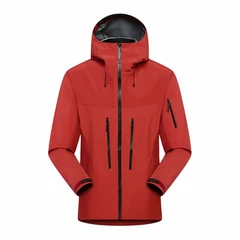

How does a bonded windbreaker fit?
As a supplier of bonded windbreakers, I've had the privilege of witnessing firsthand how these remarkable garments have become essential pieces in many wardrobes. The fit of a bonded windbreaker is not just about aesthetics; it's a critical factor that impacts functionality, comfort, and overall performance. In this blog, I'll delve into the various aspects of how a bonded windbreaker fits and why it matters.
Understanding the Bonded Windbreaker
Before we discuss the fit, let's briefly understand what a bonded windbreaker is. A bonded windbreaker typically consists of multiple layers that are bonded together. This construction provides enhanced protection against wind, water, and cold, making it an ideal choice for outdoor activities. The outer layer is often made of a durable, windproof material, while the inner layers may include insulation or moisture - wicking fabrics.
The Ideal Fit: Balance of Comfort and Function
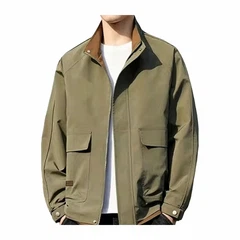
The fit of a bonded windbreaker should strike a balance between comfort and functionality. A well - fitting windbreaker should allow for a full range of motion without being too tight or too loose.
Shoulder Fit
The shoulders of a bonded windbreaker are a crucial area. They should fit snugly without restricting movement. When you raise your arms, the windbreaker should move with you, not pull or bunch up. If the shoulders are too tight, it can limit your mobility, especially during activities like hiking, cycling, or skiing. On the other hand, if they are too loose, the windbreaker may flap in the wind, reducing its windproof effectiveness.
Chest and Waist Fit
The chest and waist area should also have a proper fit. For a comfortable fit, there should be enough room to breathe and move freely. However, it shouldn't be so loose that it creates excessive bulk. A slightly tapered waist can provide a more streamlined look and also help prevent the wind from getting inside the windbreaker. This is particularly important in windy conditions, as a well - fitting waist can keep the wind out and maintain body heat.
Sleeve Fit
The sleeves of a bonded windbreaker should reach the wrist comfortably. They should not be too long, as this can interfere with hand movements and activities. Nor should they be too short, as this would expose your wrists to the elements. Many bonded windbreakers come with adjustable cuffs, which allow you to customize the fit of the sleeves according to your preference. This feature is especially useful in different weather conditions, as you can tighten the cuffs to keep out the wind and snow or loosen them for more ventilation.
Length Fit
The length of a bonded windbreaker is another important aspect. It should cover the essential areas of your body, such as the lower back and hips. A longer windbreaker provides more protection against the wind and cold, especially in colder climates. However, if it's too long, it can be cumbersome and may interfere with your movement. A good rule of thumb is that the windbreaker should end around the upper thigh or mid - thigh area for optimal protection and mobility.
Different Fit Styles for Different Activities
The fit of a bonded windbreaker can also vary depending on the intended activity.
For Outdoor Sports
For activities like running, cycling, or skiing, a more form - fitting windbreaker is often preferred. A form - fitting windbreaker reduces drag and allows for a more aerodynamic movement. It also stays in place better during high - intensity activities, preventing it from flapping in the wind. Many outdoor sports windbreakers are designed with stretchy materials to accommodate the dynamic movements involved in these activities. For example, a Running Rain Shell is typically designed to be lightweight and form - fitting to enhance performance during runs.


For Casual Wear
For casual wear, a looser fit may be more comfortable. A looser - fitting windbreaker can be worn over other layers, such as sweaters or jackets, providing more flexibility in terms of layering. It also gives a more relaxed and casual look. A Soft Shell with Hood is a great option for casual wear, as it combines comfort with style and functionality.
For Work or Professional Settings
In work or professional settings, a windbreaker with a more tailored fit may be appropriate. A tailored windbreaker can give a more polished and professional appearance while still providing the necessary protection against the elements. It can be worn over business attire or as part of a work uniform.
Importance of a Good Fit
A well - fitting bonded windbreaker offers several benefits.
Enhanced Performance
As mentioned earlier, a proper fit allows for a full range of motion, which is essential for outdoor activities. Whether you're climbing a mountain or running a marathon, a windbreaker that fits well won't hold you back. It also provides better protection against the wind and cold, which can improve your overall performance in adverse weather conditions.
Comfort
Comfort is key when it comes to wearing a windbreaker. A well - fitting windbreaker won't rub against your skin or cause discomfort, even during long - term wear. It allows you to focus on your activity without being distracted by an ill - fitting garment.
Style
A good fit can also enhance the style of the windbreaker. Whether you're going for a sporty look or a more casual style, a windbreaker that fits well will look better on you. It can make you look more put - together and confident.
How to Choose the Right Fit
When choosing a bonded windbreaker, there are several factors to consider.
Measurements
Take accurate measurements of your chest, waist, shoulders, and arms. Use these measurements to refer to the size chart provided by the manufacturer. Keep in mind that different brands may have slightly different sizing, so it's important to check the specific size chart for the windbreaker you're interested in.
Try it On
If possible, try on the windbreaker before purchasing. This allows you to assess the fit firsthand and make sure it meets your requirements. Pay attention to how it feels when you move your arms, bend your knees, and perform other activities.
Consider the Activity
As mentioned earlier, the intended activity can influence the fit you choose. Think about how you'll be using the windbreaker and select a fit that is appropriate for that activity.
Conclusion
The fit of a bonded windbreaker is a crucial aspect that can significantly impact its performance, comfort, and style. As a supplier, I understand the importance of providing windbreakers that fit well and meet the needs of our customers. Whether you're an outdoor enthusiast, a casual wearer, or someone looking for a professional - looking windbreaker, there is a perfect fit out there for you.
If you're interested in purchasing bonded windbreakers for your business or personal use, we'd love to have a conversation with you. We offer a wide range of styles and fits to suit different needs. Contact us to start a procurement discussion and find the perfect bonded windbreakers for you.
References
- Outdoor Gear Industry Reports on Windbreaker Design and Fit
- Manufacturer's Guides on Windbreaker Sizing and Fit