

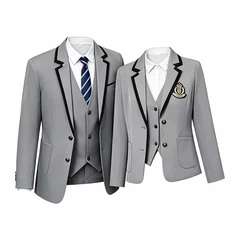
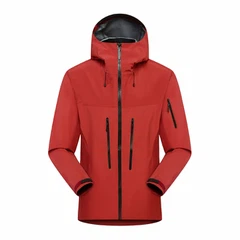
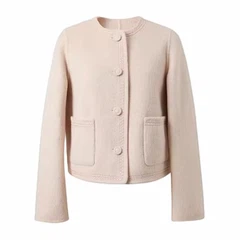
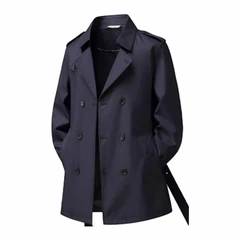

School uniforms are not only part of the school's image but also directly related to the comfort and safety of students' daily wear. Therefore, choosing a suitable manufacturer is a crucial aspect of school logistics that requires careful consideration. This process needs to take into account multiple factors and should not be based solely on price.
The compliance and safety of the fabric are fundamental. When evaluating manufacturers, priority should be given to confirming whether their products meet relevant national standards, such as the "Primary and Secondary School Uniforms" (GB/T 31888). These standards clearly stipulate the fabric composition, colorfastness, and formaldehyde content for school uniforms. You can request relevant fabric testing reports from the manufacturer. Good school uniform fabrics should exhibit good breathability, moisture absorption, and abrasion resistance, providing a comfortable wearing experience and resisting pilling and fading. The manufacturing process should also be meticulous, with neat stitching and secure buttons and zippers.
The manufacturer's service process and support capabilities should also be considered. Experienced manufacturers typically provide a comprehensive service, from style communication and size collection to production and delivery. For example, regarding style communication, can the manufacturer provide reference suggestions based on the school's cultural characteristics? During the size collection stage, can personnel be arranged to conduct detailed measurements for students at the school to reduce the rate of replacements due to size issues later? Furthermore, the manufacturer's production schedule and delivery time must be clearly defined in advance to ensure timely delivery and uninterrupted use.
Understanding the manufacturer's background and reputation is helpful. Pay attention to their years of operation, production scale, and past cooperation. If possible, visit the production site to gain a more direct understanding of their production management. At the same time, their after-sales service arrangements should be communicated in advance. For example, can the manufacturer provide support for subsequent small-scale reorders of student uniforms? This is a practical consideration for long-term cooperation.
Regarding cost considerations, it's more meaningful to compare costs only after confirming that the product meets basic requirements such as safety and durability, and that the service process meets the school's needs. It's recommended to obtain detailed cost explanations from multiple alternative manufacturers. The proposal should clearly list all components, such as fabric, production, and transportation, to avoid unforeseen expenses later. Choosing a reasonably priced option with reliable product attributes is essential to providing students with suitable school uniforms.